
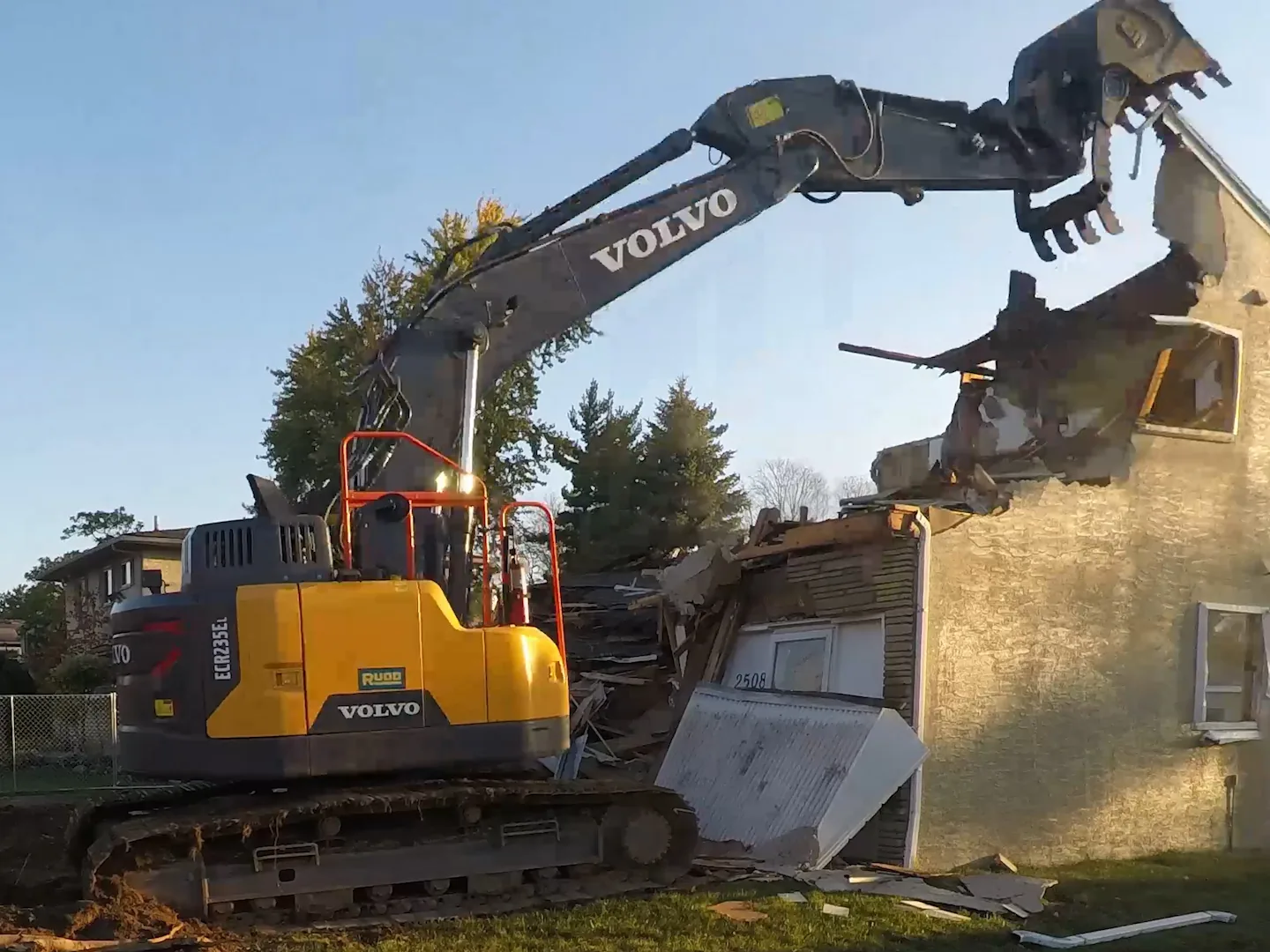
Demolition
We take down houses, barns, garages, sheds and shops, and we tear out old concrete slabs. The debris leaves the property with us.
Learn More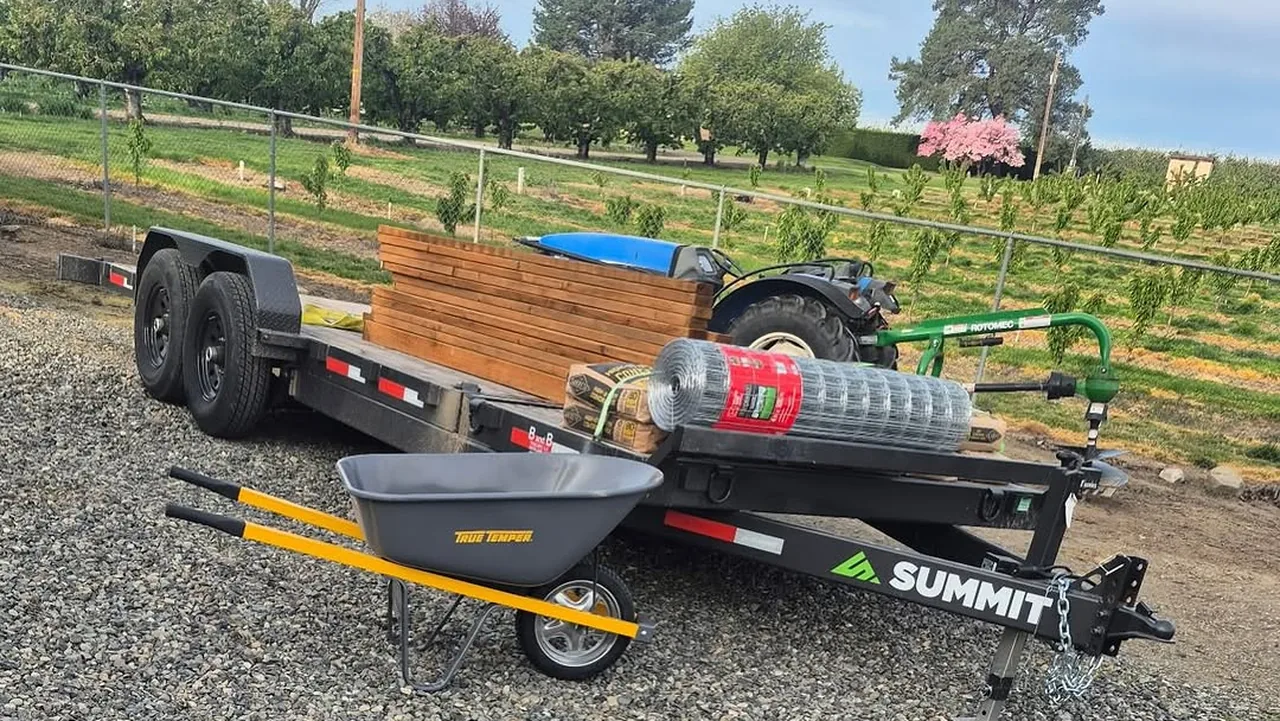
Much of Yakima's housing is old. Census survey figures put more than a third of the city's homes before 1960. Clearing an old garage or house off one of those lots takes paperwork before any machine starts. The city wants a demolition permit, and the regional clean air agency has to approve the job first.
Bedrock Excavation and General Contracting does excavation in Yakima for homeowners and businesses. Yakima is part of our service area, which centers on Sunnyside, about 35 road miles southeast on I-82. Our demolition work takes down old houses and garages, and our site preparation gets lots ready to build. Call or text (509) 439-2533, and we look at the job and put the quote in writing.
Tell us about the teardown, dirt work, pad or building project and where it is. We look at the job and put the quote in writing.
NRCS soil maps show Naches loam and Ashue loam as the most common soils inside the city. Both are well drained. In both, NRCS lists extremely gravelly sand starting about 34 inches down, with gravelly layers above it. A basement dig goes well into that gravel.
Some ground is tougher to dig. NRCS maps Harwood loam in parts of the city, with a cemented hardpan called a duripan about 30 inches down. Other ground stays wet longer. NRCS rates Umapine silt loam, also mapped inside the city, as somewhat poorly drained.
Yakima was built on irrigated farmland, and the city still runs a separate irrigation utility. So an older yard can carry an irrigation line beside the drinking water line. Washington's dig law calls for an 811 locate request two to 10 full business days before excavation. Private lines, like a power line to a shop, are the property owner's to find.
The City of Yakima's Code Administration Division wants a permit before any structure comes down. The application needs proof that the Yakima Regional Clean Air Agency approved the demolition. That agency wants every structure checked for asbestos first. It also wants a notice filed at least 10 days ahead, whether asbestos turns up or not.
The site plan shows what sits below ground, like basement walls, tanks, sewer lines and old footings. City staff also check whether the structure is on the historic register. If the building was on city sewer, the line gets capped within 5 feet of the property line. That cap takes its own plumbing permit.
Inspectors confirm buried debris is gone before any fill goes in, and they check the fill material. The city says a basement left behind cannot be built on until it is filled with compacted structural fill. A building with recent damage, like fire or flood damage, needs a pre-inspection first.
Yakima's grading packet calls for a grading permit whenever dirt is cut or filled. Moving soil around inside the property lines counts too. The work must follow Appendix J of the 2018 International Building Code. The packet asks for contours, slopes, drainage details, an erosion control plan and a geotechnical report.
Clearing or grading 1 acre or more needs the city's large-project stormwater permit. An erosion control inspection comes before the grading permit issues. Under an acre, more than 5,000 square feet of new or rebuilt hard surface needs the regular stormwater permit. City Planning may also require a SEPA environmental review or a critical area review first.
Drainage on your own lot has rules too. The city's stormwater page tells owners to register each dry well with the Washington State Department of Ecology. Work in the street right-of-way, like a new driveway approach, needs an excavation permit from the city's Engineering Division. Our lot grading moves water away from a house with slope and swales.
Yakima keeps growing. Washington's Office of Financial Management put the city at 100,400 people on April 1, 2026. Census counts show permits for 341 new housing units during 2025, and 261 were single-family homes. A commercial site or a large shop pad often starts with mass excavation, the big cuts and fills.
On the east side, the East-West Corridor project plans a new bridge across the Yakima River. It would give drivers another crossing to Terrace Heights, a growing area across the river. The same plans expect the old mill site in the city to be redeveloped.
Communities and areas we serve around Yakima: Downtown Yakima, Barge-Chestnut, West Valley, Terrace Heights, Union Gap, Summitview Avenue, Tieton Drive, Fruitvale Boulevard, Randall Park, Wide Hollow Creek, Chesterley Park, Yakima Valley College.
Yakima ZIP codes served: 98901, 98902, 98903, 98908.
Yakima is part of our service area. We look at the job first, then put the quote in writing.
(509) 439-2533 We take down houses, barns, garages, sheds and shops, and we tear out old concrete slabs. The debris leaves the property with us.
Learn More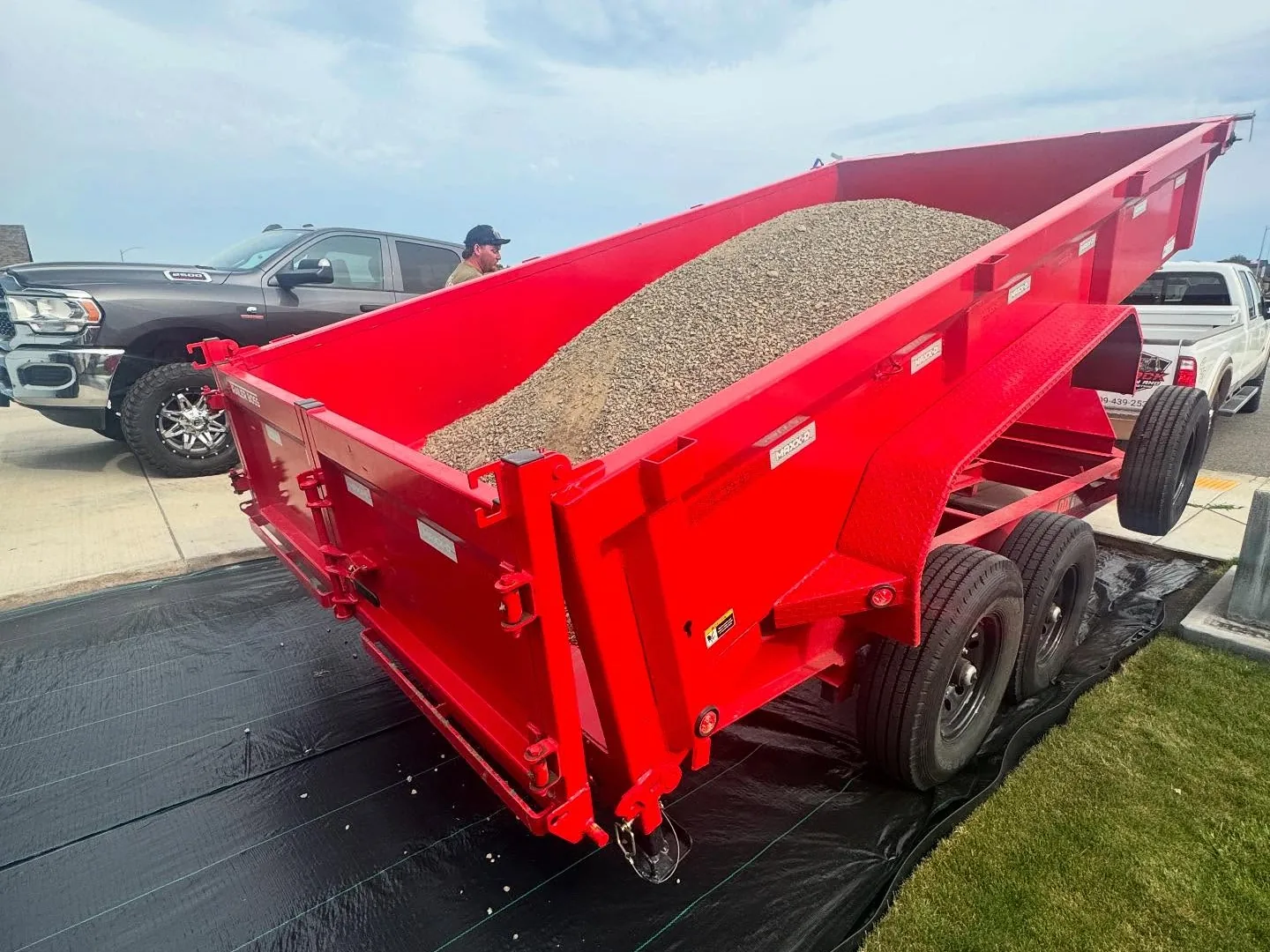
We cut and fill large sites and move dirt in bulk for shops and commercial buildings. Extra dirt leaves by the load, and we haul in fill or gravel when a site runs short.
Learn More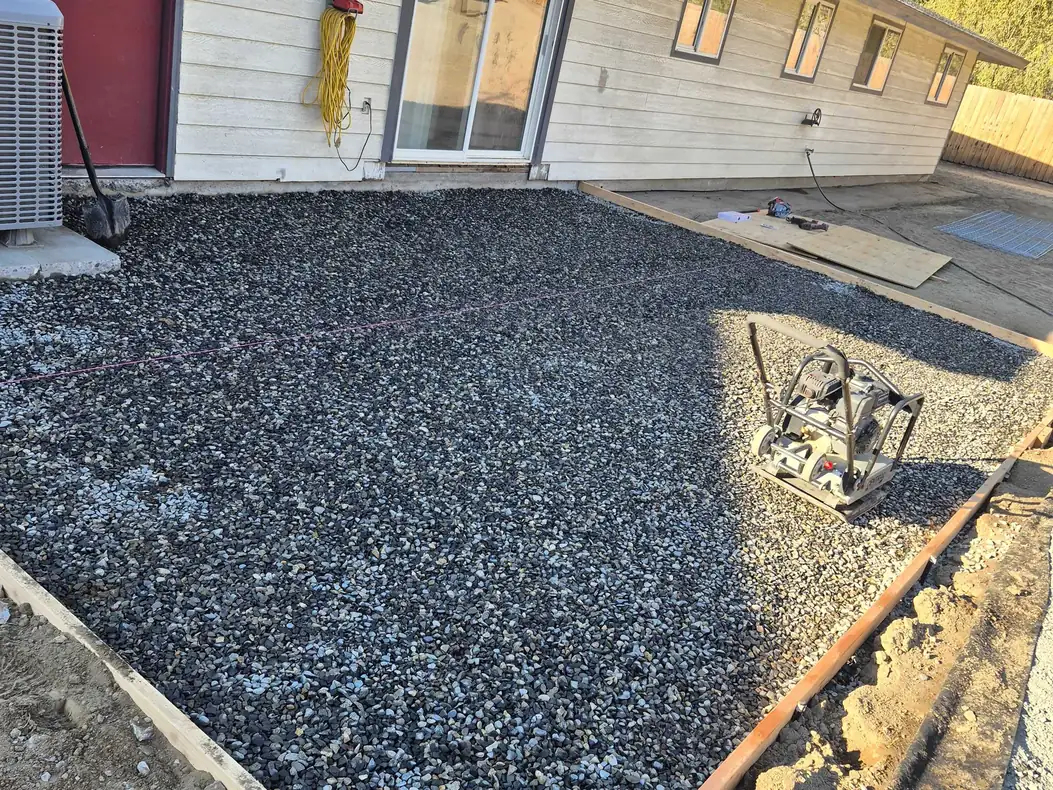
We clear and strip the lot, then rough grade it and dig for the foundation. After the foundation is poured, we backfill around it.
Learn More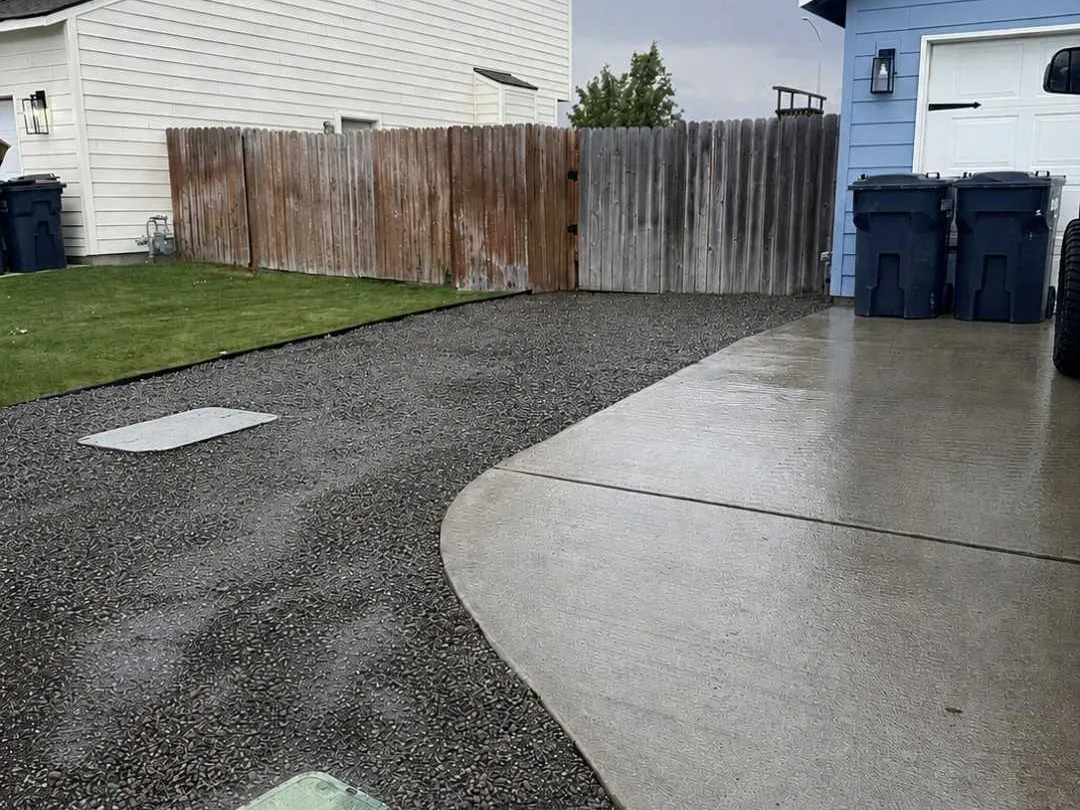
We regrade worn gravel driveways and build new ones. We also grade yards and lots so water moves away from the house.
Learn More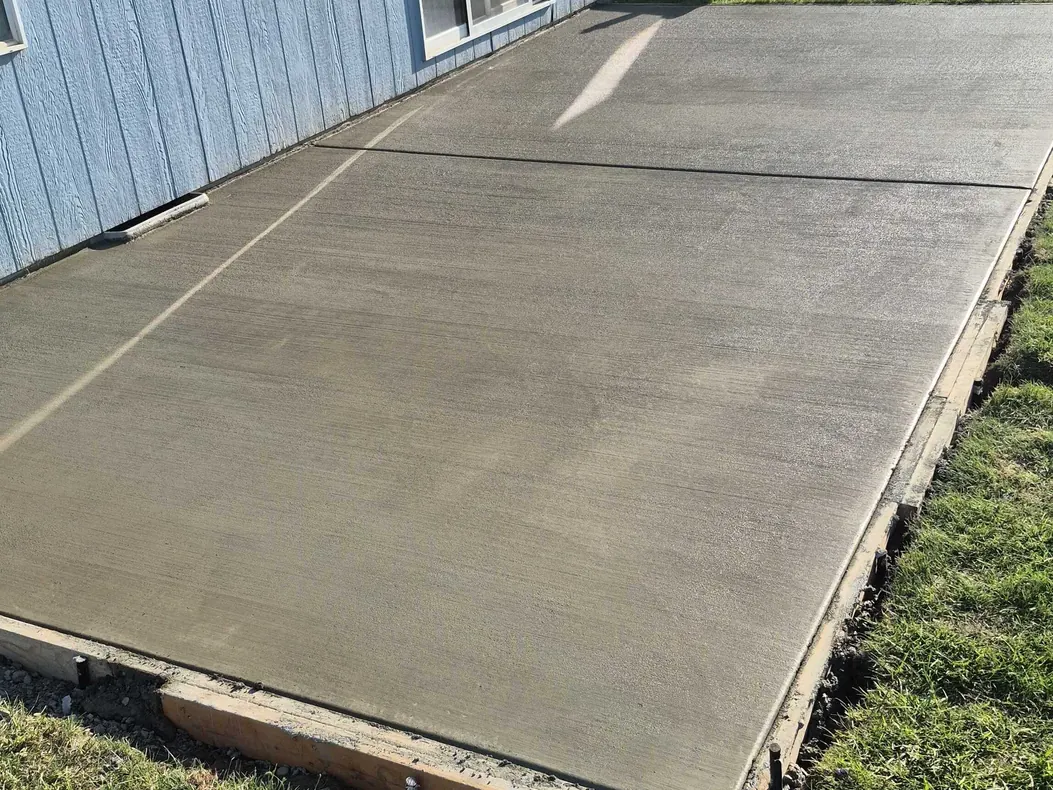
We cut and level building pads for shops, garages, houses and campers, with a compacted gravel base. When you want a concrete slab, we pour that too.
Learn More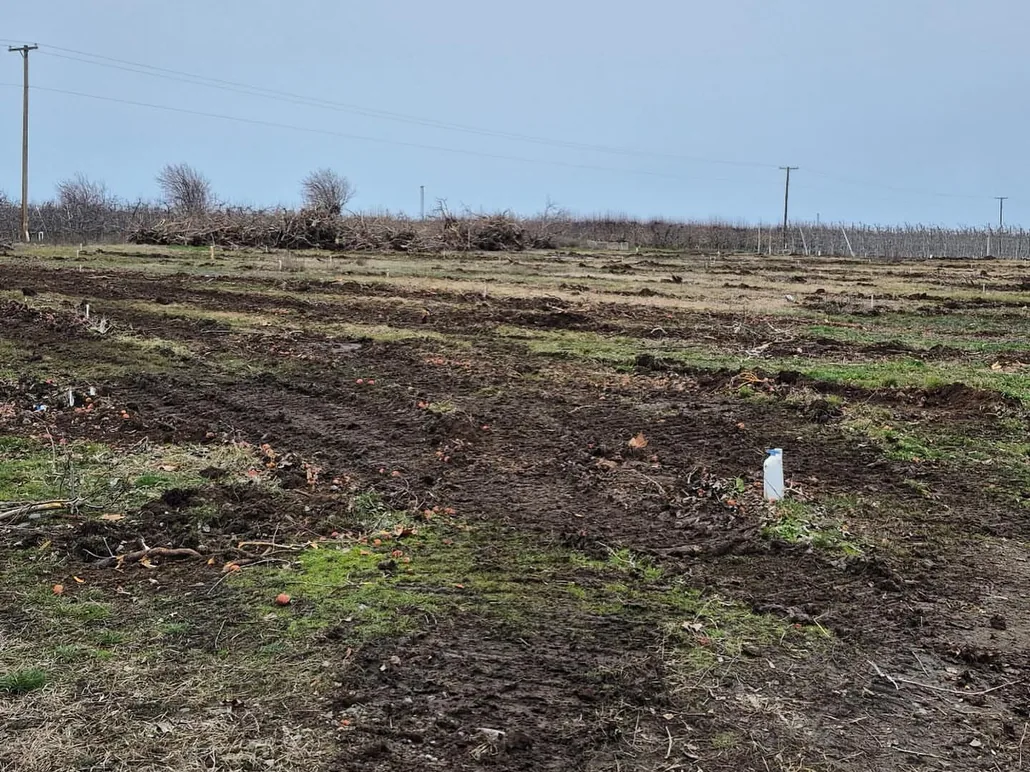
We pull old orchards out of the ground, stumps and roots included. The wood gets piled or hauled away, and the ground is left clear for what comes next.
Learn More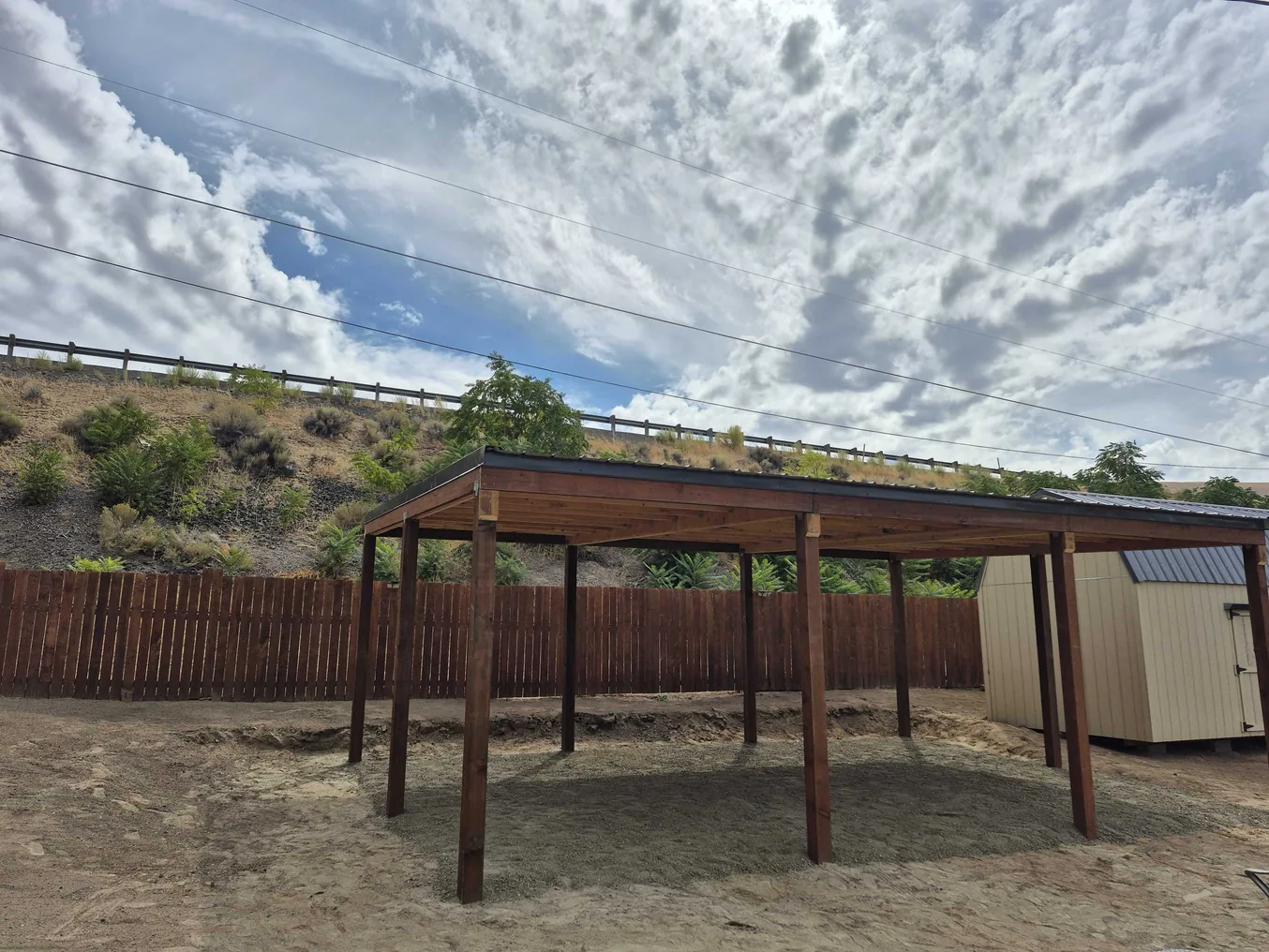
We build shops, carports and other outbuildings, plus fences, gates, decks and pergolas. The same company that prepares the ground puts up the structure.
Learn MoreA few of the questions we hear most around Yakima. If yours is not here, call or text and ask.
Tell us about the job and where it is, and we will set a time to look at it. Call or text (509) 439-2533 or use the form, and the quote comes to you in writing.
Tell us about the teardown, dirt work, pad or building project and where it is. We look at the job and put the quote in writing.