
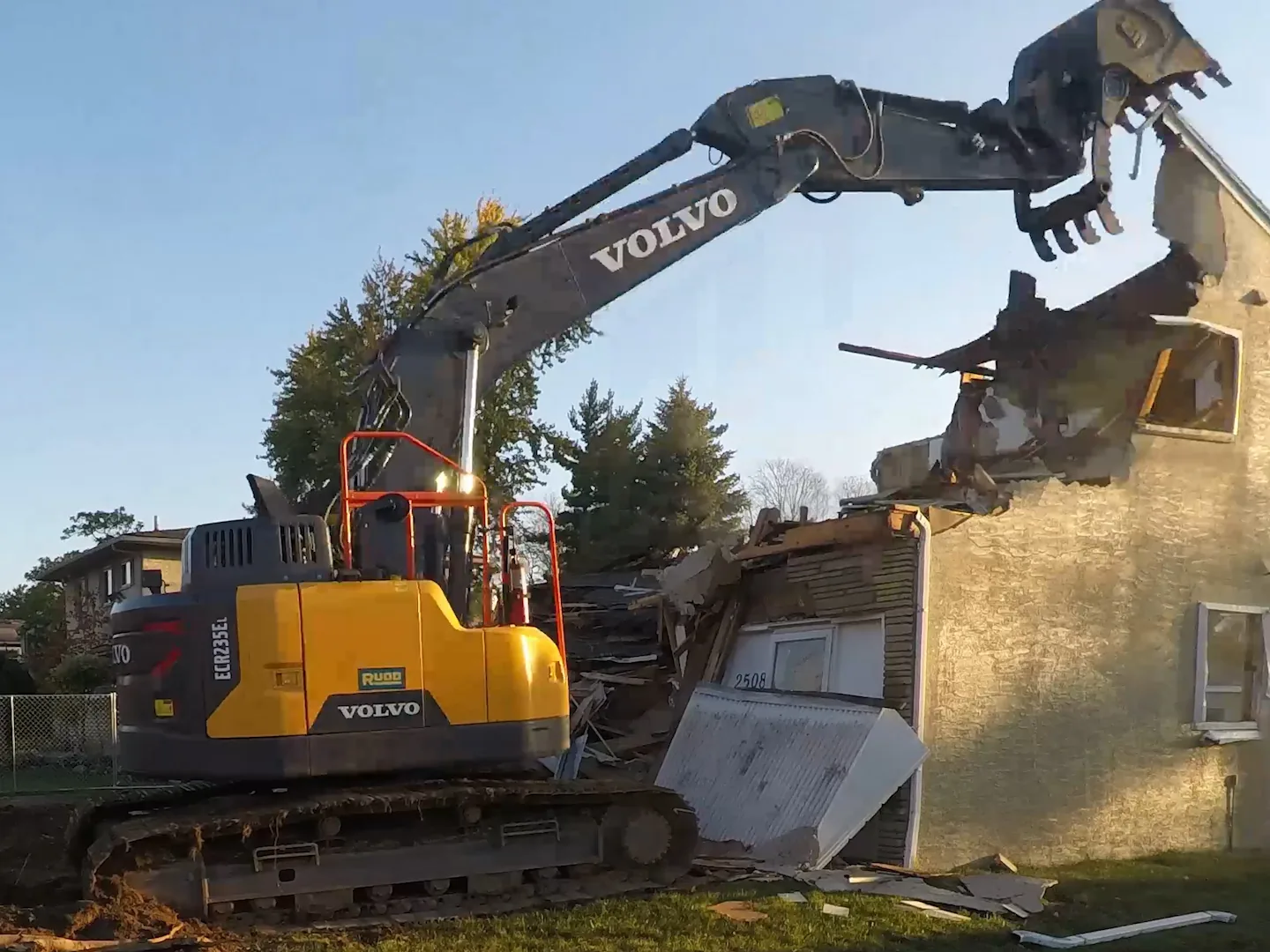
Demolition
We take down houses, barns, garages, sheds and shops, and we tear out old concrete slabs. The debris leaves the property with us.
Learn More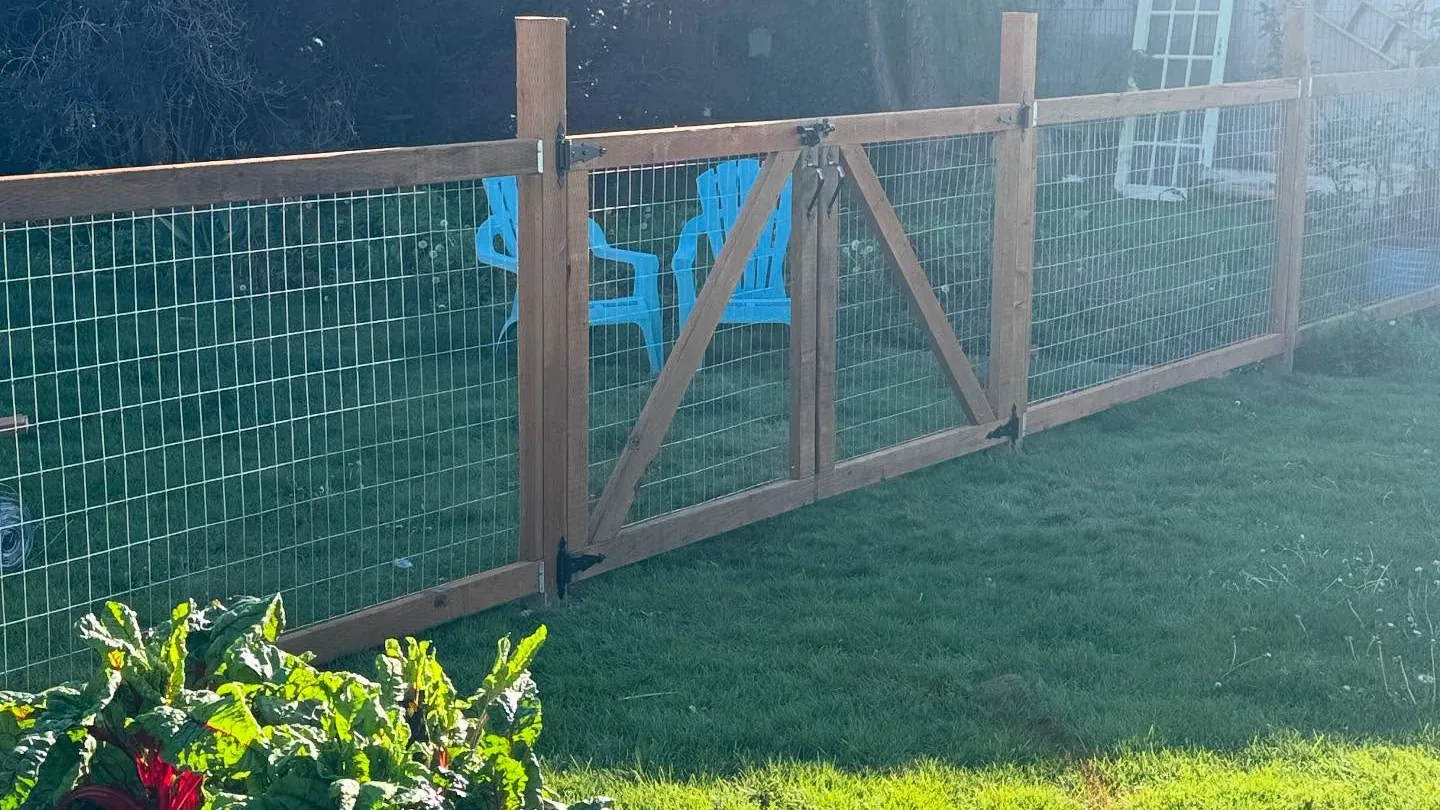
Prosser sits on both banks of the Yakima River, and the ground changes from lot to lot. NRCS soil maps show deep silt near downtown and gravel under the silt across much of town. North of the river, some flat ground can stay wet from spring into fall. To the south, slopes climb toward the Horse Heaven Hills, and NRCS maps parts of them as severely eroded.
Bedrock Excavation and General Contracting does excavation in Prosser for home and business owners. Prosser is part of our service area, which centers on Sunnyside, about 15 road miles west on I-82. Here we take on site preparation for new homes and shops, plus demolition of old garages and houses. Call or text (509) 439-2533, and we look at the job and put the quote in writing.
Tell us about the teardown, dirt work, pad or building project and where it is. We look at the job and put the quote in writing.
Silt loam covers most of Prosser, and it varies from one part of town to another. Scooteney silt loam, the most common soil in town, turns gravelly about 15 inches down. Near downtown, Esquatzel silt loam runs deep, laid down by moving water. NRCS rates both soils as well drained.
North of the river, flat ground on the west side holds Wamba silt loam. NRCS rates it somewhat poorly drained, with a high water table from April into November. About 23 inches down, it turns to very gravelly sand. Wet ground like that shapes how a footing or a pad gets built.
The city's design criteria set the frost line at 24 inches. Footings for a shop or a carport go below that line. Our building pads for shops and campers start with a level cut and a compacted gravel base. The soil under any one lot shows up on the NRCS Web Soil Survey.
Prosser's southern edge climbs into the hills. The city's long-range plan marks land on or near those hills as Steep Slope Residential. That designation limits homes per acre to preserve the hillsides. The plan also says steep slope areas get special consideration in site design.
NRCS maps Warden silt loam across much of the south side, some of it as severely eroded. The steepest hillsides carry very stony Kiona silt loam, on slopes of 30 to 65 percent. On ground like that, lot grading sets where the water runs, away from the house.
The river side has its own rules. The city's Shoreline Master Program covers land within 200 feet of the Yakima River's ordinary high water mark. It also reaches floodplains up to 200 feet from the floodway edge. The Planning Department answers what applies to a lot there.
Prosser lots can get irrigation water two ways. Some connect to the city's own irrigation system, which usually runs from April to October. Others take water straight from the Sunnyside Valley Irrigation District through a weir box. Either way, a yard may hide irrigation lines close to the surface.
The city's fence handout lists irrigation lines as commonly buried 6 to 24 inches deep. It asks for 18 inches of clearance around water meters and irrigation boxes. Washington's dig law requires notice through 811 at least two full business days before excavation starts. Private lines, like a power line to a shop, are the property owner's to find.
Dust has rules too. The Benton Clean Air Agency wants a Soil Destabilization Notification for any project that disturbs soil. Its control steps include water and grading less ground at one time. Prosser averages about 8.7 inches of precipitation a year, per NOAA's long-term normals.
Prosser has plenty of older houses. Census survey figures put the median year built at 1976. About a third of homes date from before 1960, and about one in eight from 1939 or earlier. The city's 2023 Housing Action Plan says small, older single-family homes could be replaced by larger new homes.
Before most demolition, the Benton Clean Air Agency requires an asbestos survey and a filed notice. Our house and garage demolition takes down whole structures and hauls the debris away.
New homes keep going up as well. The Census Bureau put Prosser at 6,654 people in July 2025, up from 6,062 at the 2020 Census. The city's 2025 building report counts 47 permits for new homes. Its development map tracks 1,039 lots and units in residential developments from 2016 on.
Communities and areas we serve around Prosser: Historic Downtown, North Prosser, Wine Country Road, Gap Road, Vintners Village, Prosser Airport, Bella Vista, Mustang Estates, Merlot Meadows, Arabella West, EJ Miller Park, Horse Heaven Hills.
Prosser ZIP codes served: 99350.
Prosser is part of our service area. We look at the job first, then put the quote in writing.
(509) 439-2533 We take down houses, barns, garages, sheds and shops, and we tear out old concrete slabs. The debris leaves the property with us.
Learn More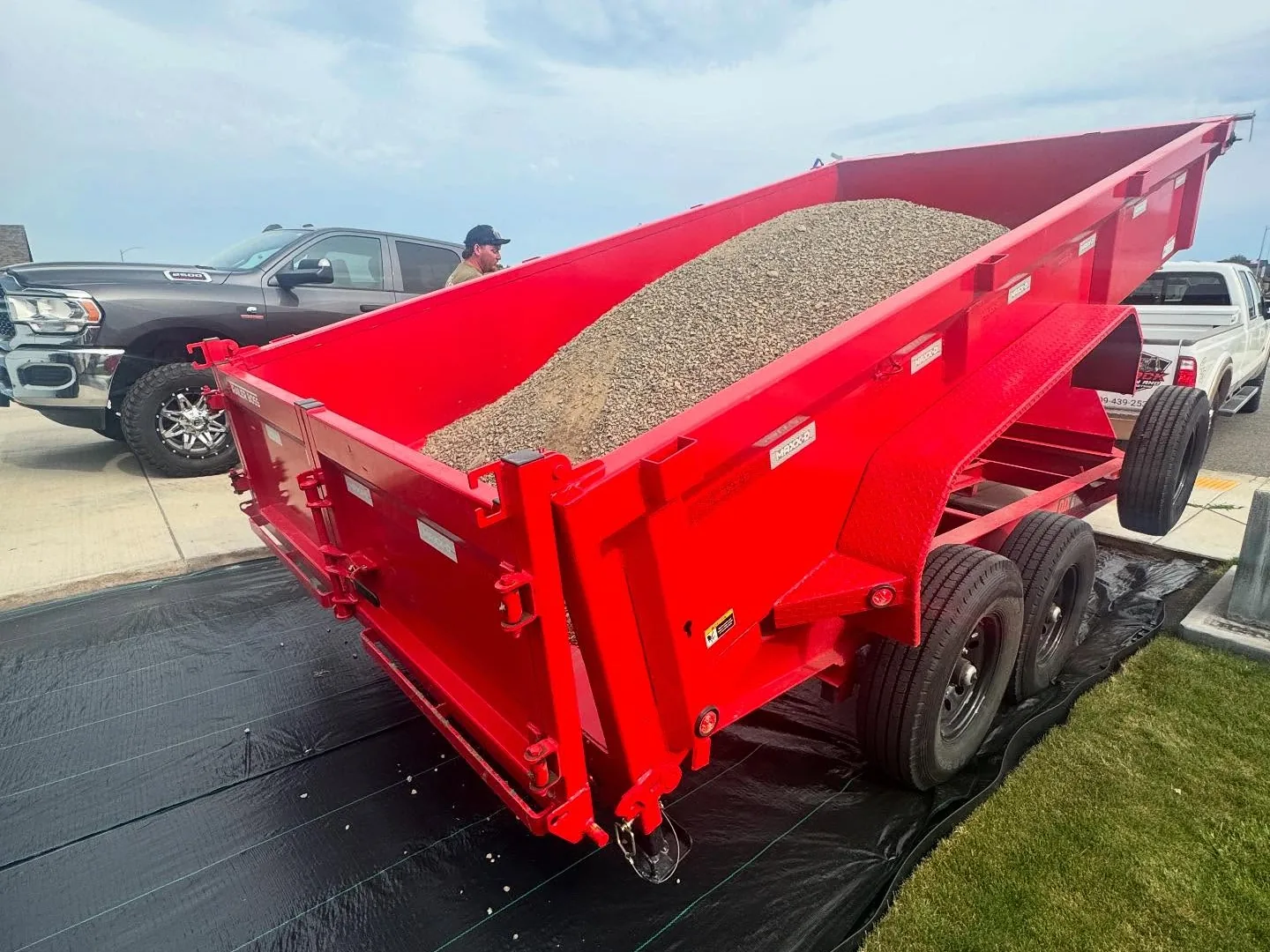
We cut and fill large sites and move dirt in bulk for shops and commercial buildings. Extra dirt leaves by the load, and we haul in fill or gravel when a site runs short.
Learn More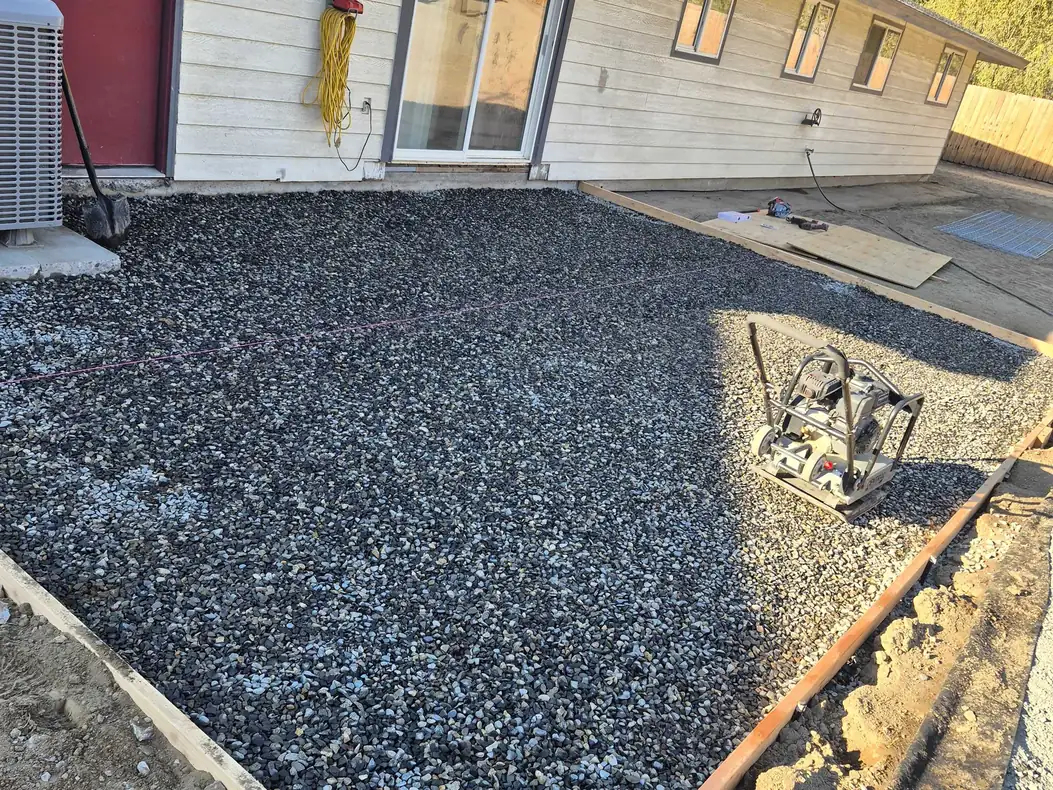
We clear and strip the lot, then rough grade it and dig for the foundation. After the foundation is poured, we backfill around it.
Learn More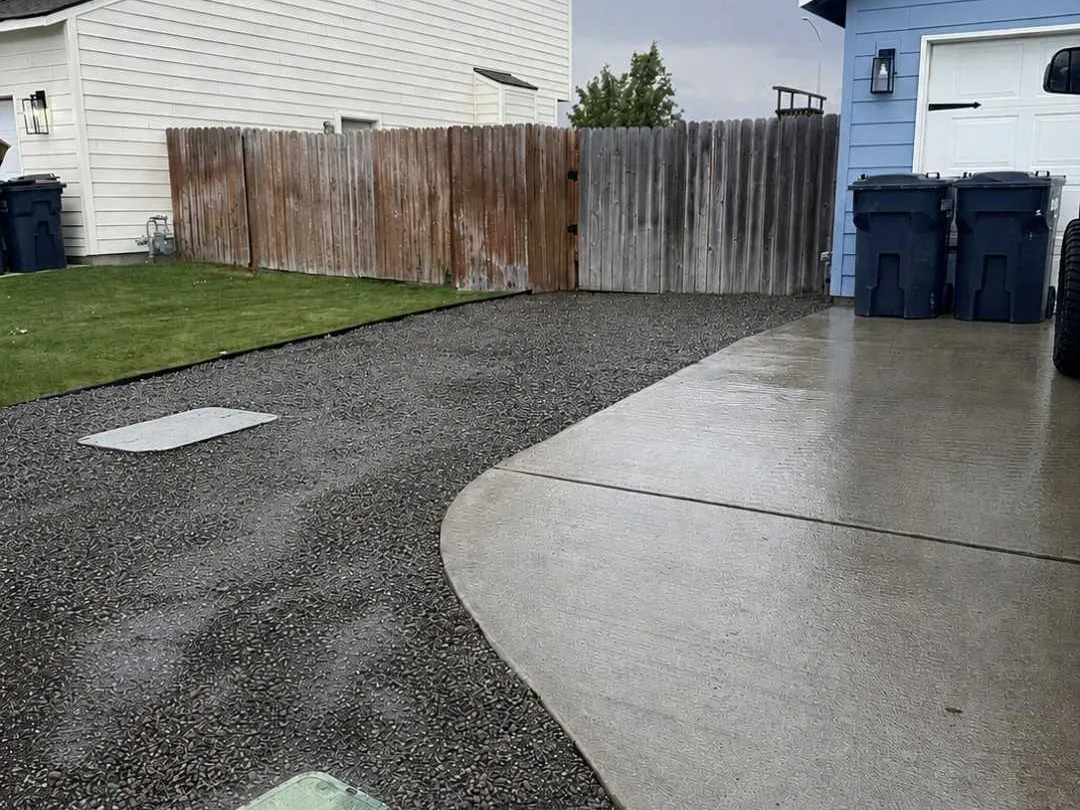
We regrade worn gravel driveways and build new ones. We also grade yards and lots so water moves away from the house.
Learn More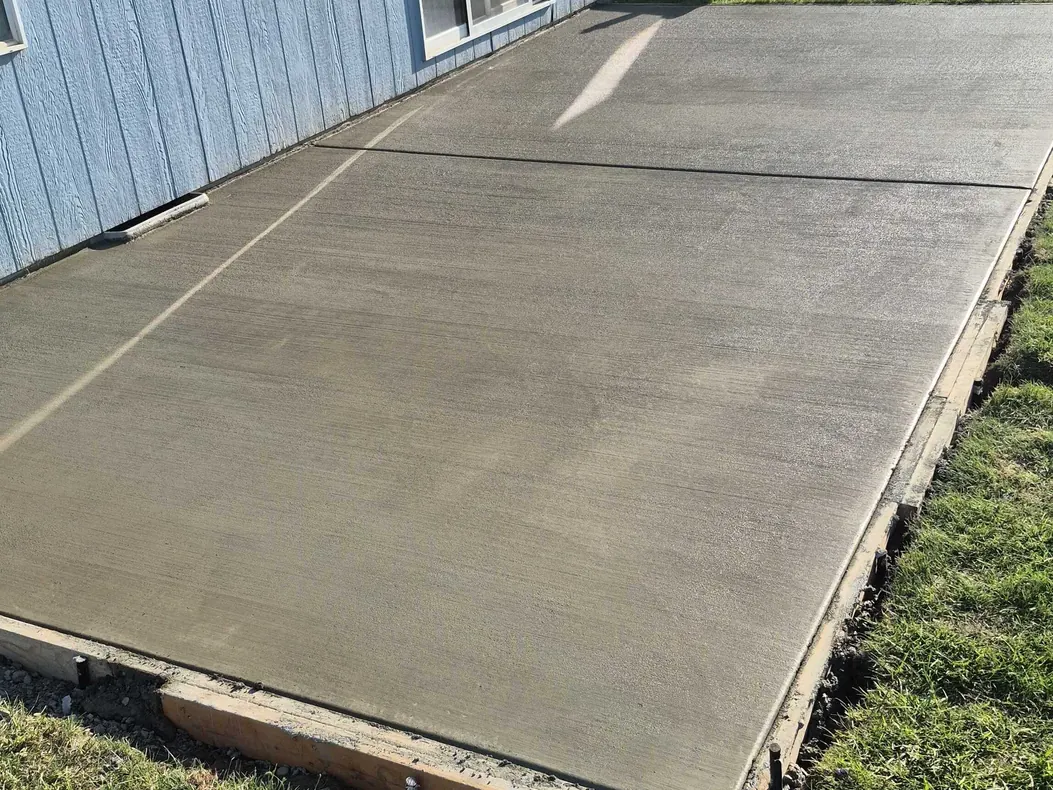
We cut and level building pads for shops, garages, houses and campers, with a compacted gravel base. When you want a concrete slab, we pour that too.
Learn More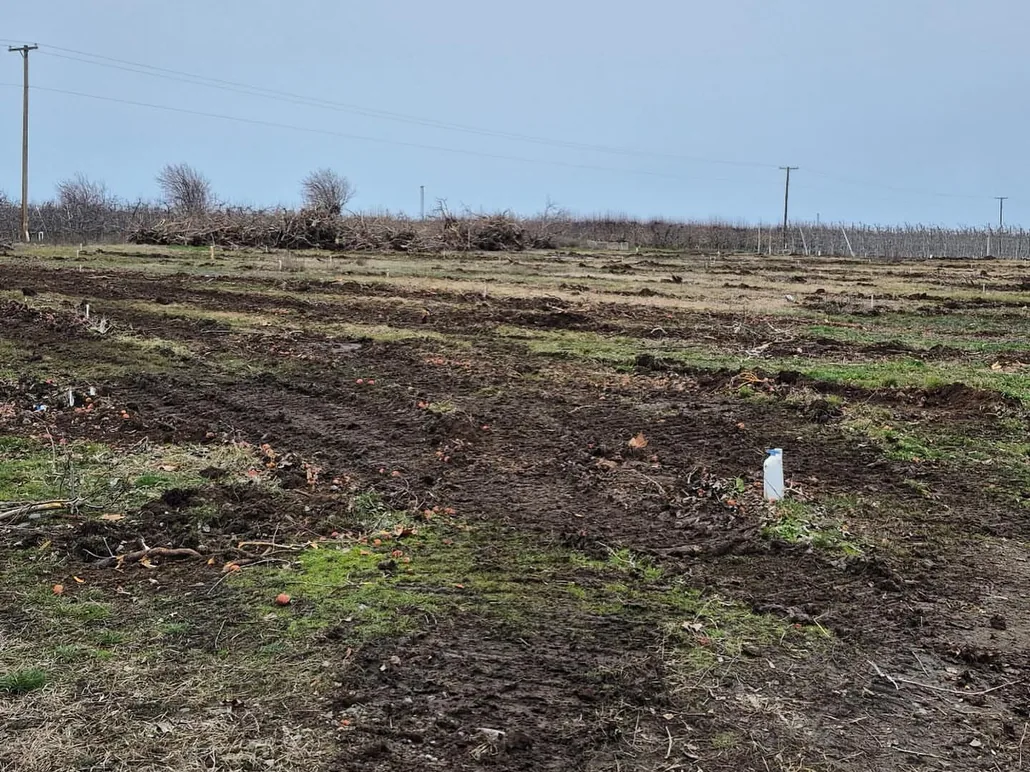
We pull old orchards out of the ground, stumps and roots included. The wood gets piled or hauled away, and the ground is left clear for what comes next.
Learn More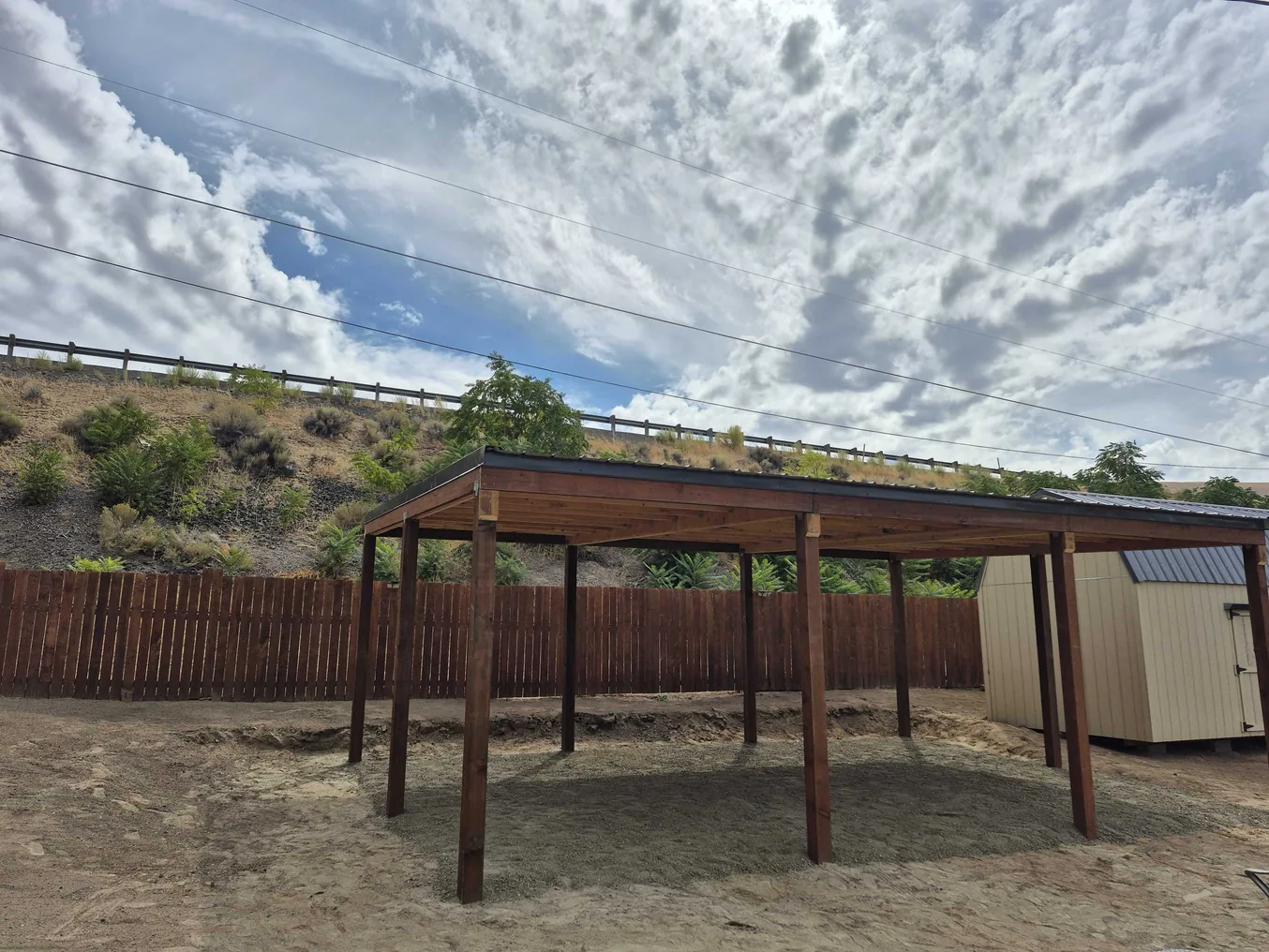
We build shops, carports and other outbuildings, plus fences, gates, decks and pergolas. The same company that prepares the ground puts up the structure.
Learn MoreA few of the questions we hear most around Prosser. If yours is not here, call or text and ask.
Tell us about the job and where it is, and we will set a time to look at it. Call or text (509) 439-2533 or use the form, and the quote comes to you in writing.
Tell us about the teardown, dirt work, pad or building project and where it is. We look at the job and put the quote in writing.